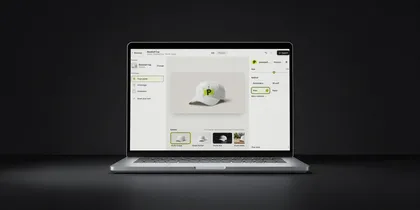
15 processes. Each with its own physics.
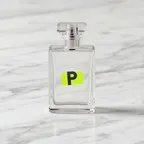
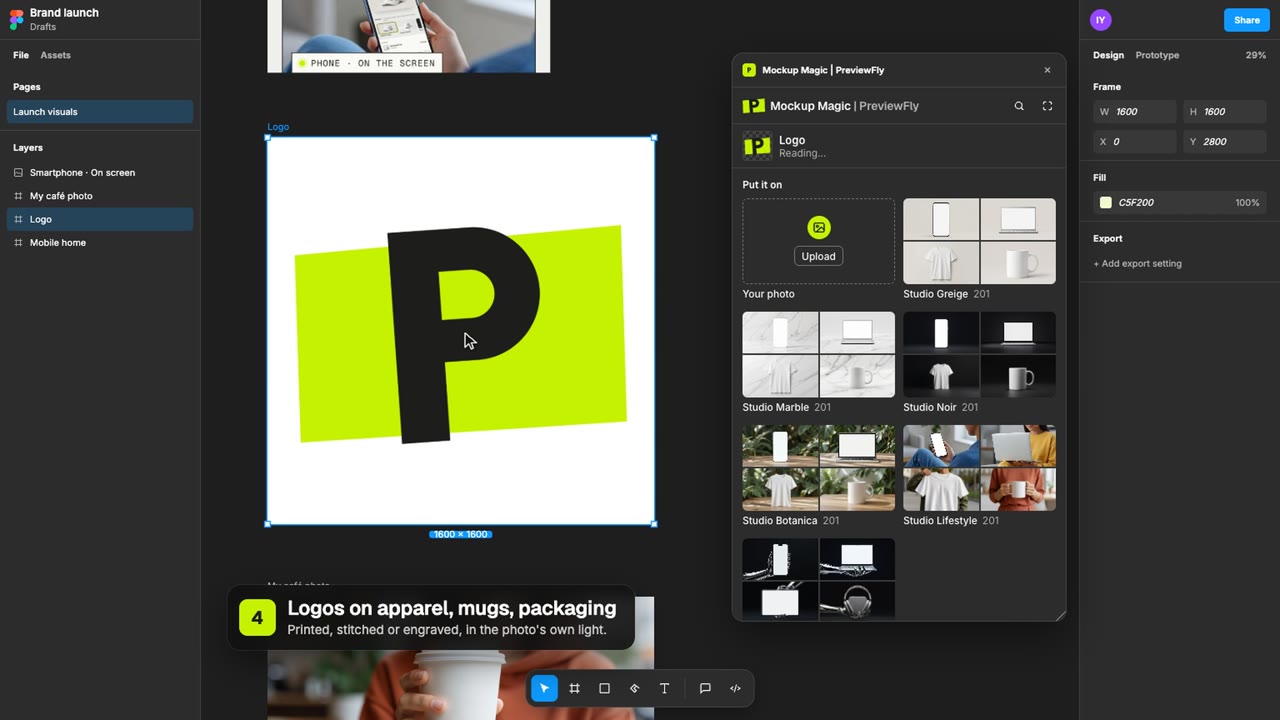
Pick a process and PreviewFly makes that print: thread for embroidery, a mirror for foil, a height for embossing. Below, the sample logo on products that are really made that way.
Thread & textile
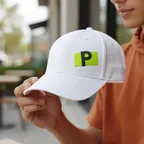
3 processes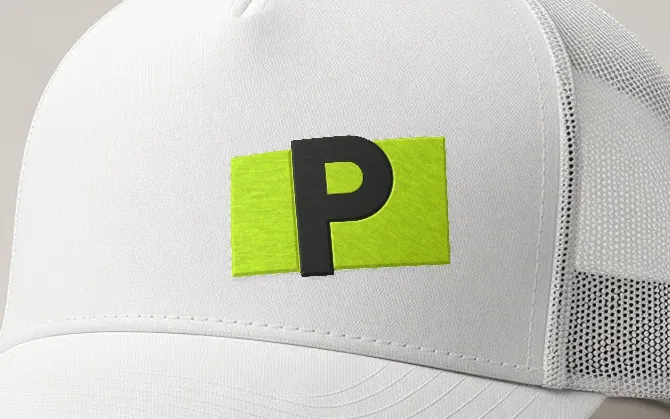 On a trucker cap Cotton · Polyester Embroidery Satin and fill stitches; the thread follows the shape and the fabric.
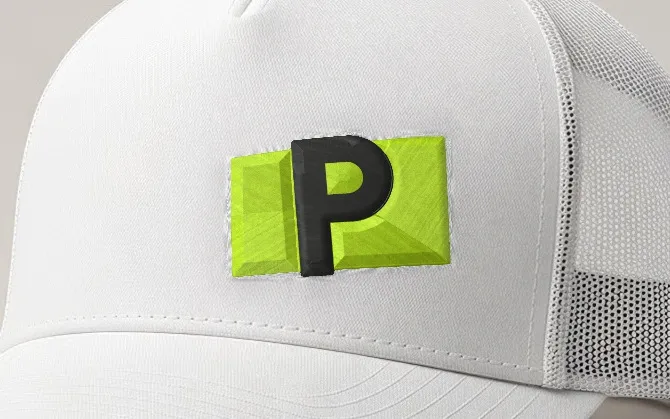 On a trucker cap Cotton · Polyester 3D puff embroidery Raised stitches over a foam layer; edges catch light and throw shadow. Cotton · Polyester Embroidered patches A stiff, sewn-on piece: raised, matte, with its own edge shadow. About embroidered patches →
Print & film
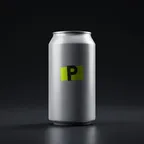
7 processes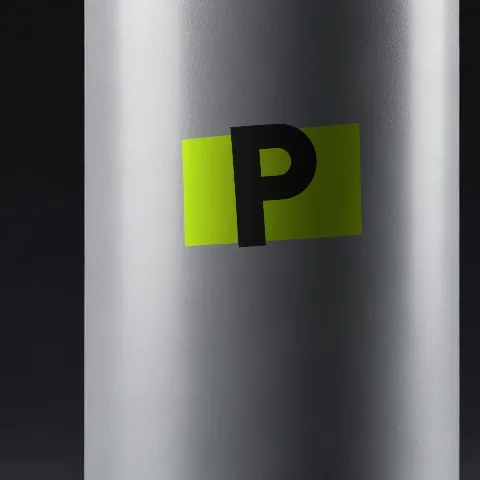 On a soda can 9 materials Screen & digital print Opaque ink: matte in the weave on fabric, glossy on hard goods.
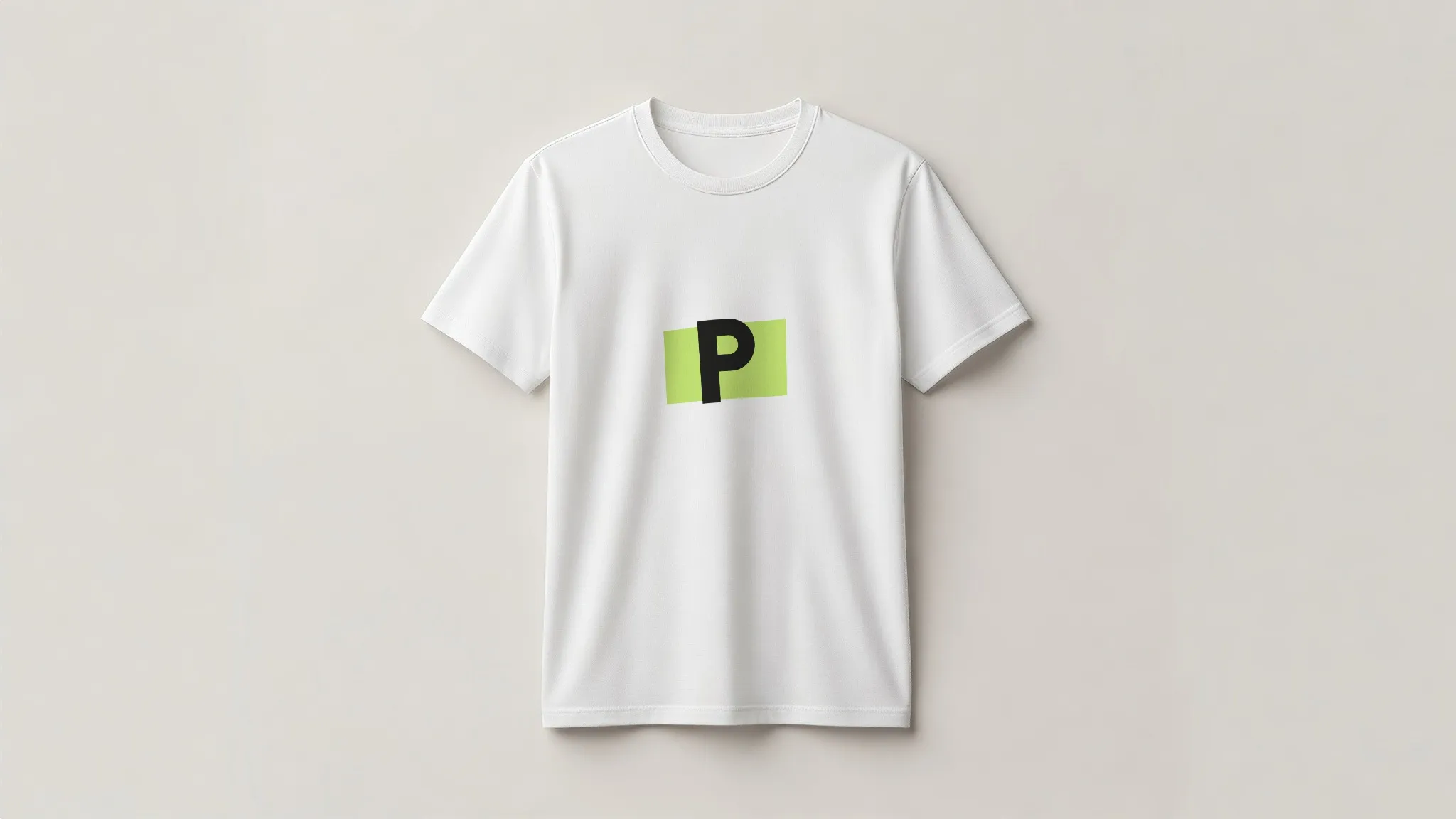 On a crew T-Shirt Cotton Water-based discharge Thin, soft ink in the cotton: the fabric shows through, slightly faded.
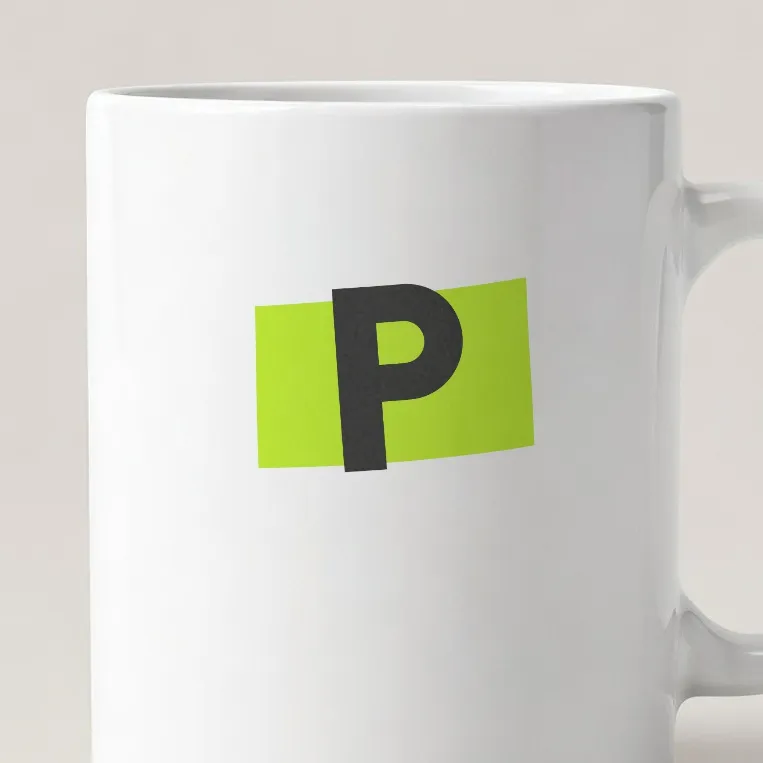 On a ceramic mug Polyester · Ceramic Sublimation Dye inside the polyester or the glaze; the surface keeps its gloss.
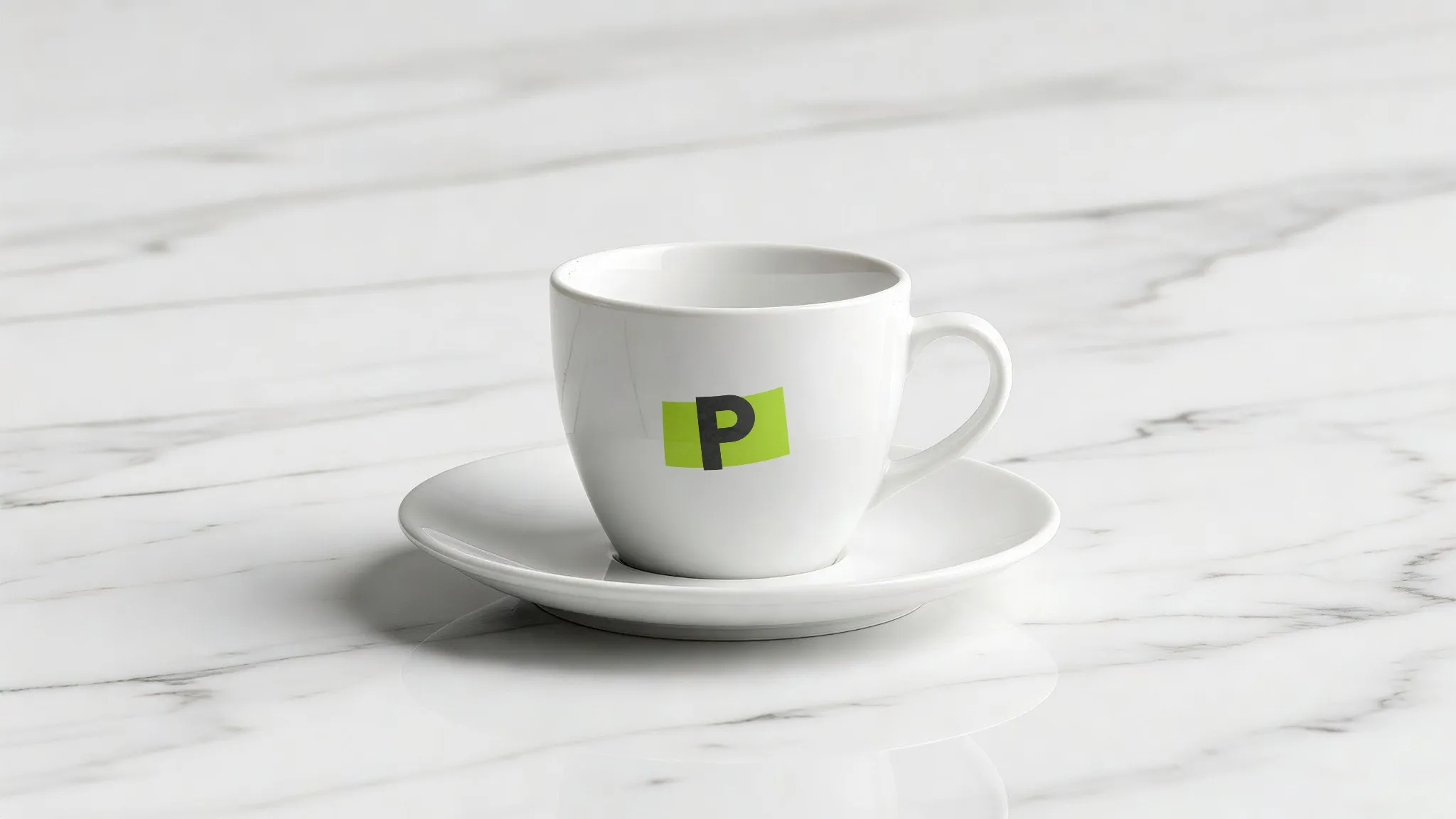 On an espresso cup Ceramic Ceramic decals A screen-printed transfer fired into the glaze, under its gloss.
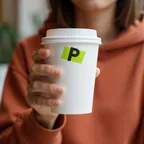
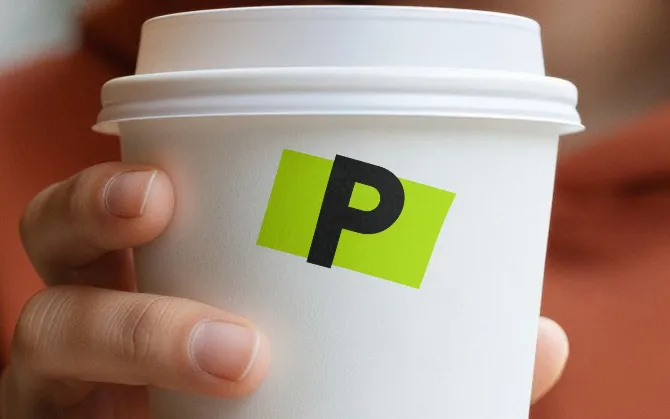 On a takeaway cup Kraft board · Coated board Offset & flexo CMYK on board; the ink is transparent, so white shows the board.
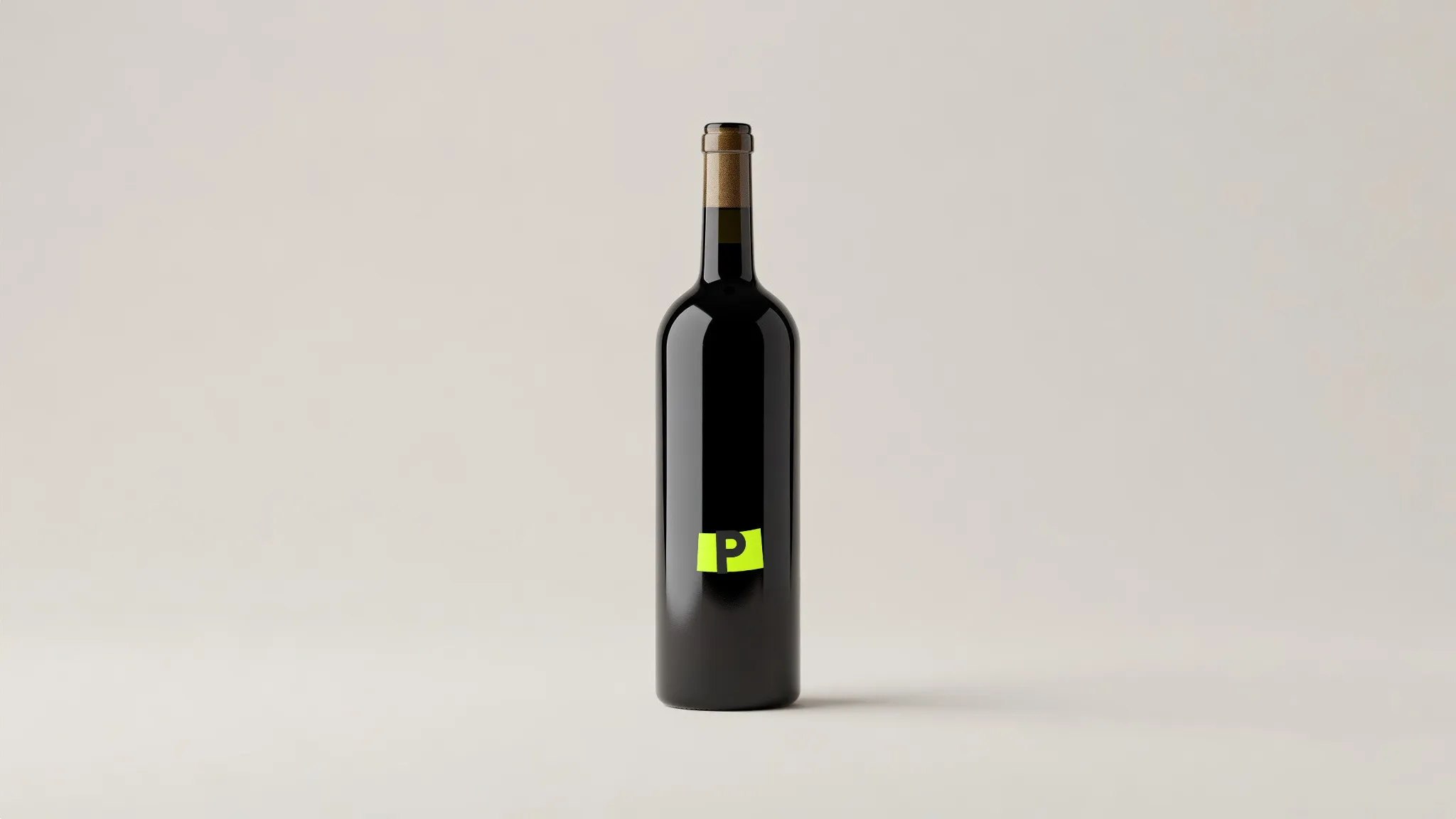 On a wine bottle 6 materials Stickers & labels A thin film with a slight edge and a sheen of its own.
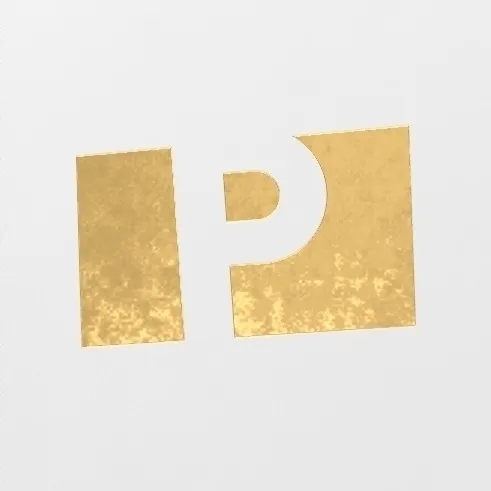 On a spiral notebook 6 materials Hot foil stamping Metal foil pressed in; it mirrors the room's light.
Surface
5 processes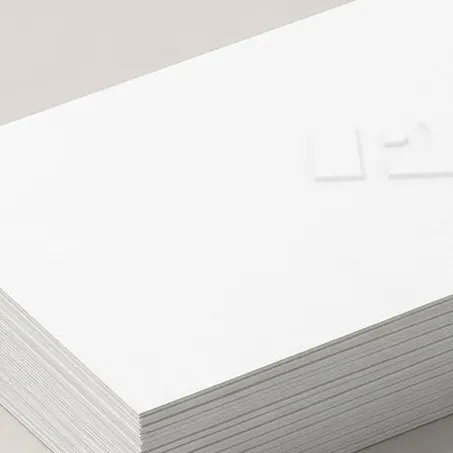 On business cards Kraft board · Coated board · Leather Embossing The material rises in one level; light picks out the edge.
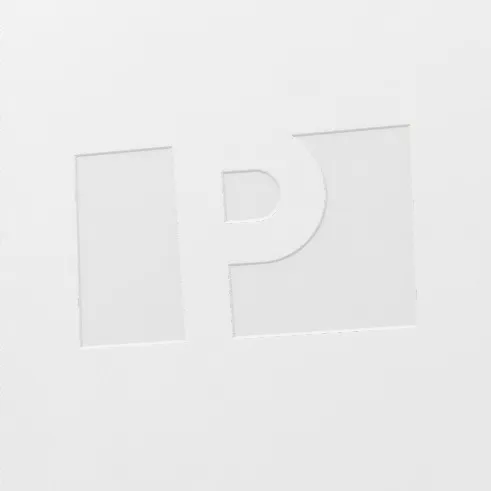 On a spiral notebook 4 materials Debossing Pressed in, one level deep; the edge holds a thin shadow.
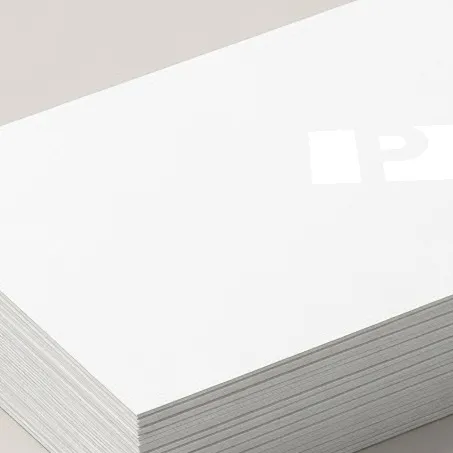 On business cards Coated board Spot UV Clear gloss on matte stock: no colour, only a change in shine.
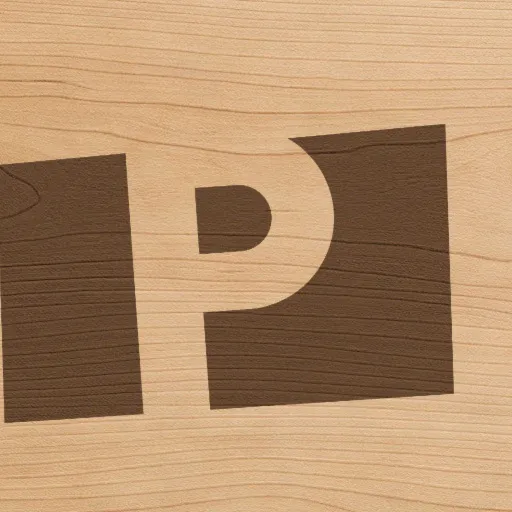 On a cutting board 6 materials Laser engraving One tone: strips paint, darkens bare steel, burns leather and kraft. Glass Glass etching Frosted and one tone; the glass behind it turns milky. About glass etching →
Which process on which material
The same table the app uses. A material offers only the processes really made on it; the app won't render the empty cells.
| Process | Cotton | Polyester | Ceramic | Glass | Plastic | Painted metal | Stainless steel | Kraft board | Coated board | Leather | Wood |
|---|---|---|---|---|---|---|---|---|---|---|---|
| Embroidery | offered | offered | not offered | not offered | not offered | not offered | not offered | not offered | not offered | not offered | not offered |
| 3D puff embroidery | offered | offered | not offered | not offered | not offered | not offered | not offered | not offered | not offered | not offered | not offered |
| Embroidered patches | offered | offered | not offered | not offered | not offered | not offered | not offered | not offered | not offered | not offered | not offered |
| Screen & digital print | offered | offered | not offered | offered | offered | offered | offered | offered | not offered | offered | offered |
| Water-based discharge | other method | not offered | not offered | not offered | not offered | not offered | not offered | not offered | not offered | not offered | not offered |
| Sublimation | not offered | offered | offered | not offered | not offered | not offered | not offered | not offered | not offered | not offered | not offered |
| Ceramic decals | not offered | not offered | offered | not offered | not offered | not offered | not offered | not offered | not offered | not offered | not offered |
| Offset & flexo | not offered | not offered | not offered | not offered | not offered | not offered | not offered | offered | offered | not offered | not offered |
| Stickers & labels | not offered | not offered | not offered | offered | offered | offered | offered | offered | offered | not offered | not offered |
| Hot foil stamping | other method | other method | not offered | not offered | not offered | not offered | not offered | offered | offered | offered | other method |
| Embossing | not offered | not offered | not offered | not offered | not offered | not offered | not offered | offered | offered | offered | not offered |
| Debossing | not offered | not offered | not offered | not offered | not offered | not offered | not offered | offered | offered | offered | other method |
| Spot UV | not offered | not offered | not offered | not offered | not offered | not offered | not offered | not offered | offered | not offered | not offered |
| Laser engraving | not offered | not offered | not offered | not offered | offered | offered | offered | other method | not offered | offered | offered |
| Glass etching | not offered | not offered | not offered | offered | not offered | not offered | not offered | not offered | not offered | not offered | not offered |
We merged four techniques the eye can't tell apart.
Selling a difference you can't see is the generative habit we refuse. Where two techniques look the same on real photos, they became one choice. Old projects open on the successor.
Kept apart because they really differ: water-based discharge, embroidery and 3D puff, foil, laser, etching.
Limits we show, not hide
A real press has rules. A mockup that ignores them sells something the factory can't make.
Processes, asked often
Which processes can I use on my product?
The ones its material offers. The matrix on this page is the same table the app's picker reads: a filled dot is offered, a hollow one is under “other methods”, an empty cell is not offered.
Why are there only fifteen?
We merged techniques the eye can't tell apart on real photos (DTG, UV print and vinyl into screen print, puff print into patches) rather than sell a difference that isn't there.